

Who is responsible for communal area cleaning in a shared office building? Usually the landlord or managing agent, paid for through the service charge. Under fire safety law, that same person is also responsible for keeping the shared escape routes clear. Read on to see exactly which rules apply, what good looks like in each shared area, and how to write a cleaning standard that tenants actually stick to.
In this guide:
1. Agree who is responsible for shared areas
Workplace law spreads the duty according to control. Under regulation 4 of the Workplace Regulations 1992, anyone who has control of a workplace must meet the rules for the parts they control.
In practice, tenants look after their own suites. The landlord or managing agent looks after the reception, corridors, stairs, lifts and shared toilets.
Who pays is set by the lease, and in multi-let offices it’s usually recovered through the service charge. RICS updated its service charges in commercial property standard, effective from 31 December 2025, with a focus on transparency. A clear communal area cleaning specification makes those costs easier to explain to tenants.
2. Check each shared area against the rules
| Area | Main risk | What the rules say | What good looks like |
|---|---|---|---|
| Reception and entrances | Slips on wet floors | Floors free from slip hazards (Reg. 12) | Mats checked, floors left dry |
| Corridors and stairwells | Blocked escape routes | Routes kept clear (Fire Safety Order, Art. 14) | No boxes, trolleys or bags left behind |
| Lifts, handles, rails | Shared touchpoints | Workplace kept sufficiently clean (Reg. 9) | Buttons, handles and rails wiped every visit |
| Shared washrooms | Hygiene and supplies | Facilities kept clean and orderly (Reg. 21) | Checked and restocked to a set schedule |
| Bin stores | Overflow, mixed waste | Waste separated (Simpler Recycling) | Streams kept apart, area swept |
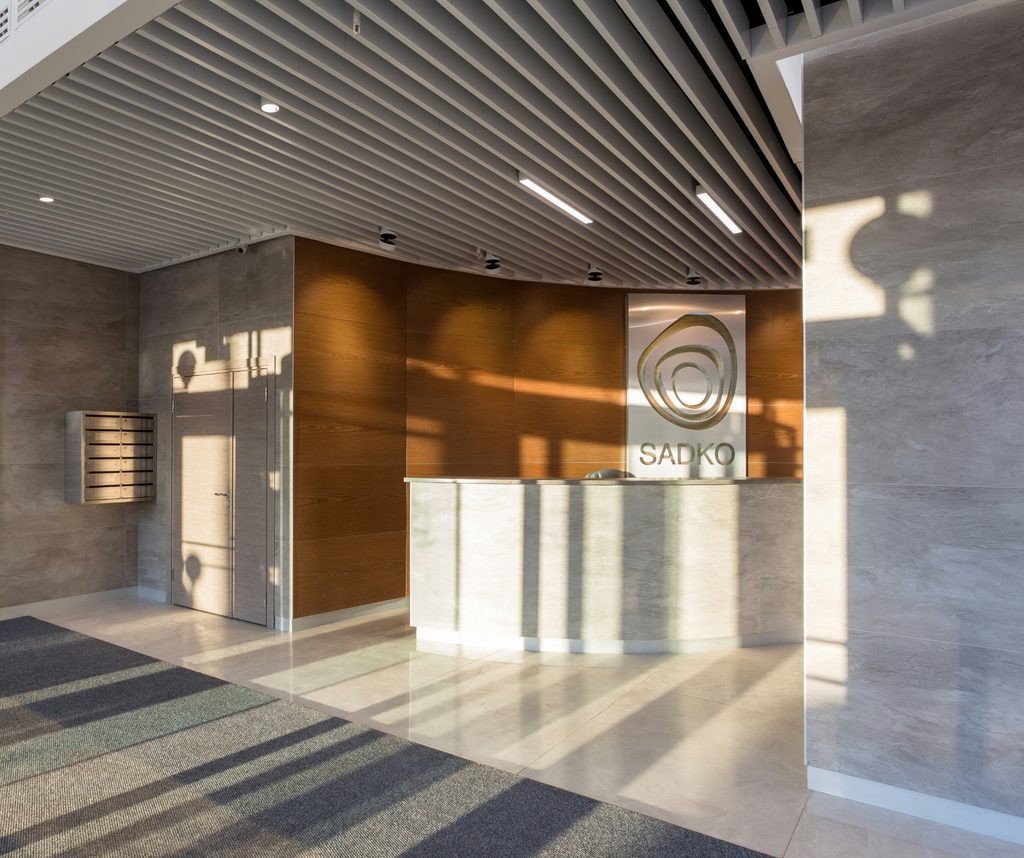
3. Keep entrances and receptions dry
Slips, trips and falls on the same level caused 30% of the non-fatal injuries to employees reported under RIDDOR in 2024/25, according to HSE’s injury statistics. Every visitor and tenant walks through the communal entrance, so that’s where a wet morning hits hardest.
HSE’s case study on a slippery store entrance found the matting simply wasn’t big enough for the rainwater coming in. The fix included extra mats and switching from mopping to a wet vac, which leaves the floor dry.
The lesson for a Bristol reception? A freshly mopped floor at 8.45am isn’t a clean floor. It’s a wet one.
4. Corridors and stairwells are escape routes first
Under article 14 of the Fire Safety Order, routes to emergency exits must be kept clear. The government’s workplace fire safety guidance is clear: for common or shared areas, the responsible person is the landlord, freeholder or managing agent.
In Bristol, the fire authority is Avon Fire & Rescue Service. Its business fire safety audits include checks on escape routes and fire doors.
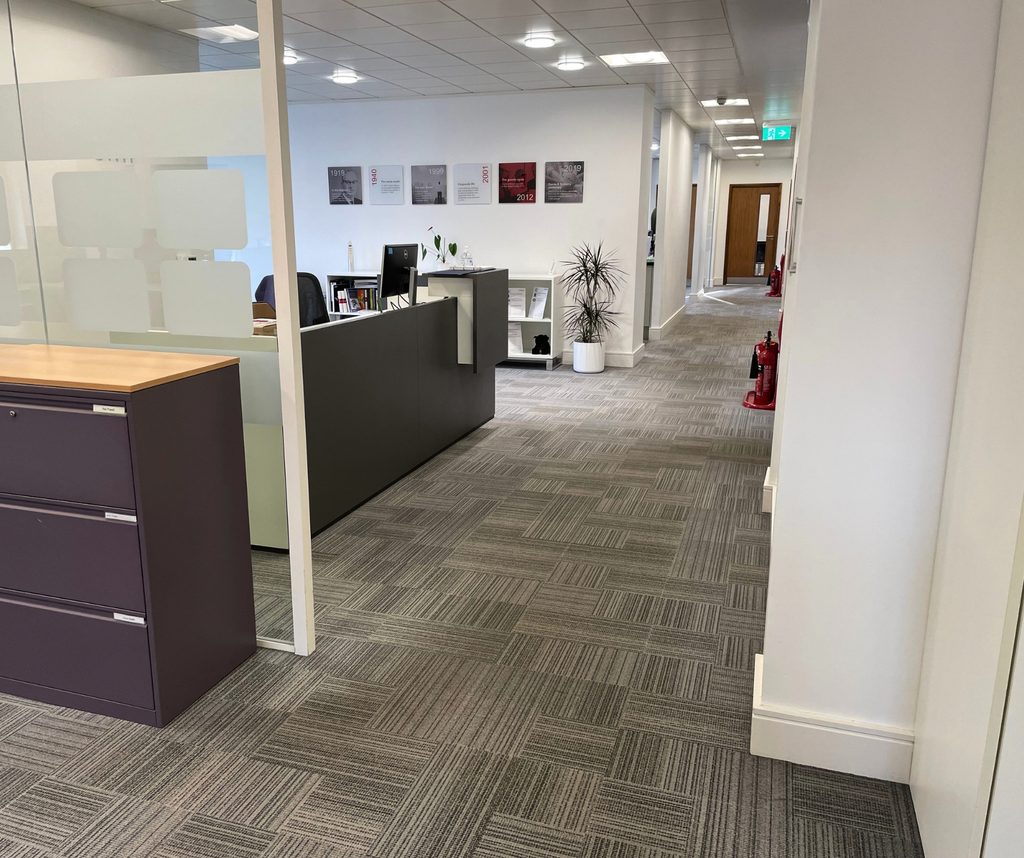
Good communal area cleaning puts eyes on the ground. Cleaners shouldn’t leave a trolley in a stairwell, and they should report fire doors propped open or deliveries stacked in a corridor.
5. Shared washrooms need a named owner
Shared washrooms get heavy use and are easy to neglect. It’s tempting for each tenant to assume someone else will mention the empty soap dispenser.
Regulation 21 requires washing facilities, and the rooms they’re in, to be kept clean and orderly. In your communal area cleaning plan, agree who checks them, how often, and who restocks. A simple log on the back of the door shows tenants it’s actually happening.
We’ve covered the detail in our guide to office washroom cleaning.
6. Bin stores now come under Simpler Recycling
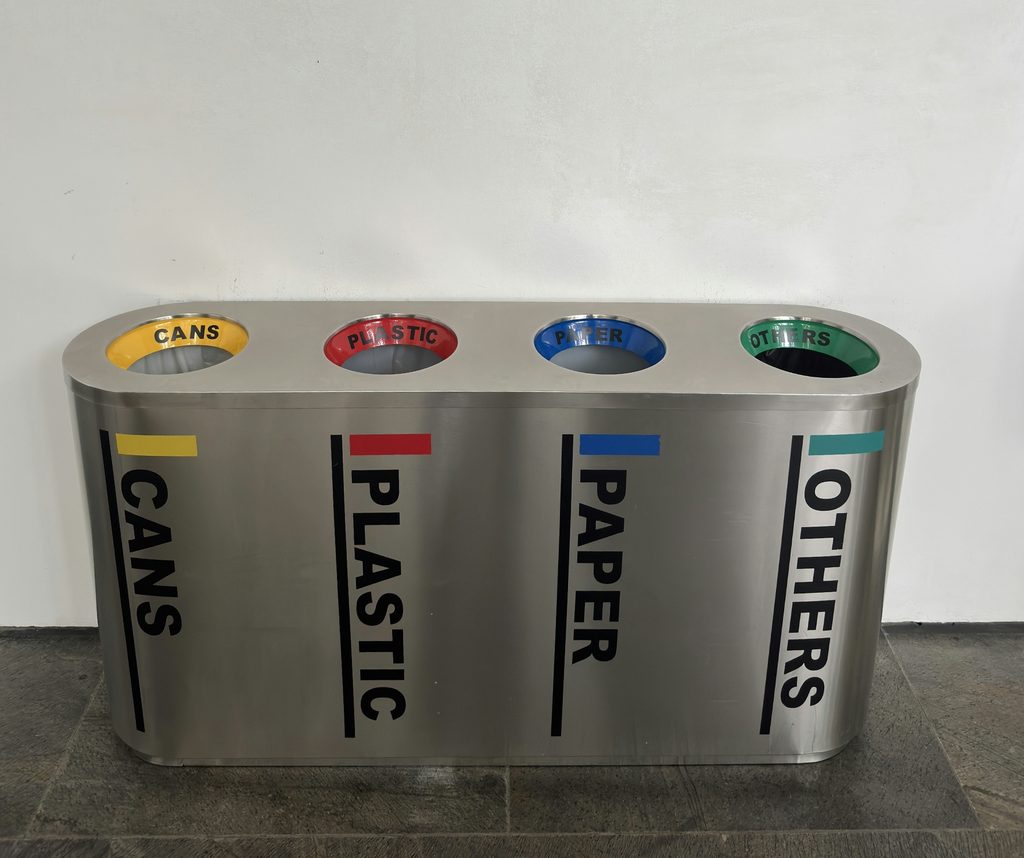
Since 31 March 2025, businesses in England with 10 or more employees must separate dry recyclables, food waste and non-recyclable waste. Micro-firms have until 31 March 2027. The Simpler Recycling guidance says compliance notices can go to landlords or facilities management companies presenting waste for tenants.
So the shared bin store is part of communal area cleaning too. Keep the streams apart, keep the area swept, and make sure nobody tips everything into one bin at the end of a shift.
7. Office building cleaning needs one written standard
Five tenants can mean five ideas of “clean”. A written communal area cleaning specification settles it: which areas, which tasks, how often, and who checks.
Base it on risk and footfall, not habit. Lift buttons and door handles may need daily attention, while corridor carpets need a periodic commercial carpet clean. For touchpoints in busy periods, antiviral sanitisation adds a further layer.
For the wider legal picture, see our guide to office cleaning legal requirements.
Communal area cleaning: your questions answered
Who pays for communal area cleaning in an office building?
Usually the tenants, through the service charge, with the landlord or managing agent arranging the work. Your lease sets out the exact split.
How often should communal areas be cleaned?
The law doesn’t set a number. HSE’s Approved Code of Practice L24 says frequency depends on the nature of the workplace, dirt mustn’t build up and spills should be cleaned as soon as possible. As a rule of thumb, busy receptions and shared washrooms need daily attention.
Can a tenant arrange cleaning for its own office?
Yes, inside its own suite. Shared parts usually stay with the landlord, so check the lease before changing anything.
Communal cleaning you don’t have to chase
Magic Broom is a local, owner-led team, and Joanna and Paul oversee the quality personally. We look after whole buildings in Bristol, from communal corridors to shared washrooms, with regular quality checks built in. Find out more about our commercial cleaning in Bristol.
Want a straight answer on what your building’s communal areas need? Contact Magic Broom for a free, no-obligation quote or a free site audit.


